How to Start Trading as a Beginner in 2026 with Practical Steps and Key Tips
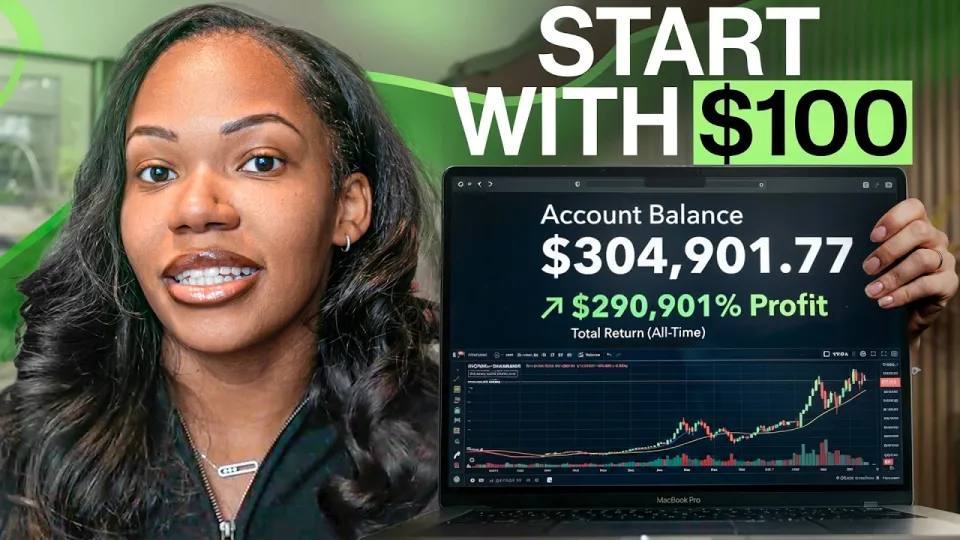
Video: How To Start Trading As A Beginner In 2026 (Step-by-Step)
Need articles like this for your video? They help promote it on YouTube and Google — order them in the Telegram bot @sat_sit_bot. It writes articles around your video, embeds the video and publishes them on popular niche websites (no ads). Your first 50 articles are free.
Key takeaways
- Start trading with $300–$2,000 recommended capital
- Master three core concepts before trading live
- Use paper trading to practice without risking real money
- Understand difference between calls, puts, options, and futures
- Use Webull broker and TradingView platform as beginner tools
Trading is the process of buying and selling financial instruments like stocks, options, and futures to make profits from market movements. Starting trading as a beginner in 2026 requires a clear foundation: you don’t need a large sum or a finance degree, just a willingness to learn and a disciplined approach. To get started effectively, consider joining a supportive community like the Crystal Academy Discord that provides mentorship and resources.
What Trading Actually Is and What It Isn’t
Trading involves speculating on price changes of assets within short or long timeframes. It is NOT a get-rich-quick scheme or gambling. Successful trading depends on education, strategy, risk management, and psychology. Beginners often confuse investing with trading: investing is long-term ownership, while trading is short-term buying and selling aiming for smaller, more frequent profits.
Key Trading Concepts Every Beginner Must Master
Before risking real money, you need to understand and practice these three essential concepts:
- Market Structure – Learn how markets trend, form support and resistance, and create patterns.
- Candlestick Reading – Know how to interpret candlestick charts to identify potential entry and exit points.
- Risk Management – Define how much you can afford to lose per trade and use stop losses to protect your capital.
Understanding Calls, Puts, Options, and Futures
Options are contracts giving the right to buy (calls) or sell (puts) an asset at a set price before expiry. Futures are agreements to buy or sell at a future date, often with higher leverage. For beginners, options can fit flexible schedules and risk profiles better, while futures require more experience due to their complexity and margin demands.
The Best Platforms and Brokers for Beginners
Choosing the right tools is crucial. The broker Webull is popular among beginners for its zero commission fees, user-friendly interface, and free stock promotions. For charting, TradingView offers powerful yet accessible tools to analyze market data and trends effectively. Combining these platforms supports learning and execution.
The Importance of Paper Trading and Starting Small
Paper trading simulates real trading without risking actual money. Beginners should practice turning $1,000 into $2,000 on paper before using real funds. Starting capital between $300 and $2,000 is recommended to keep risks manageable. This method builds confidence and hones strategy execution.
Common Beginner Challenges and How to Overcome Them
Many beginners quit within the first two months due to losses, frustration, or unrealistic expectations. Key reasons include poor risk management, lack of patience, and emotional trading. To avoid quitting:
- Accept losses as part of learning
- Focus on consistent small gains
- Avoid impulsive trades based on emotions
- Keep a trading journal to track progress and mistakes
Real-Life Experiences and Mindset for Success
Successful traders often share stories of starting with small capital and facing early losses before achieving profitability. Trading psychology is critical: patience, discipline, and a growth mindset outweigh quick profits. Trading is a skill developed over years, not a shortcut to wealth.
Useful Links
- Join Crystal Academy Discord for mentorship and community support: https://whop.com/c/crystal-academy/youtube
- Webull broker signup with free stocks: https://www.webull.com/k/SierraUSA
- Sierra Aaliyah’s Instagram: https://www.instagram.com/sierra.aaliyah/
- Sierra Aaliyah’s TikTok: https://www.tiktok.com/@sierraxliyah
Conclusion
Starting trading as a beginner in 2026 is achievable with the right mindset, education, and tools. Focus on mastering the basics, use paper trading to build skills, and begin with reasonable capital. Avoid chasing get-rich-quick schemes and embrace the learning process. Sierra Aaliyah’s approach and community offer valuable guidance for a sustainable trading journey.
Source: How To Start Trading As A Beginner In 2026 (Step-by-Step) · Markdown version
Questions & answers
Is $300 enough to start trading effectively?
Yes, starting with $300 to $2,000 is sufficient for beginners to learn risk management and market mechanics without risking too much capital.
What is the difference between calls and puts in options trading?
Calls give the right to buy an asset at a specific price before expiration, while puts give the right to sell. They are basic building blocks of options trading used to speculate on price movements.
Why should beginners use paper trading before real money?
Paper trading allows practice of strategies and risk management without financial loss. It helps beginners build confidence and understand market behavior before risking actual funds.
Can beginners achieve consistent profitability in trading?
Consistent profitability is challenging but attainable with discipline, education, and experience. Many beginners face losses initially but can improve by focusing on risk management and emotional control.